When your family’s flight is delayed: how to keep kids calm, protect your holiday plans, and claim what you’re owed

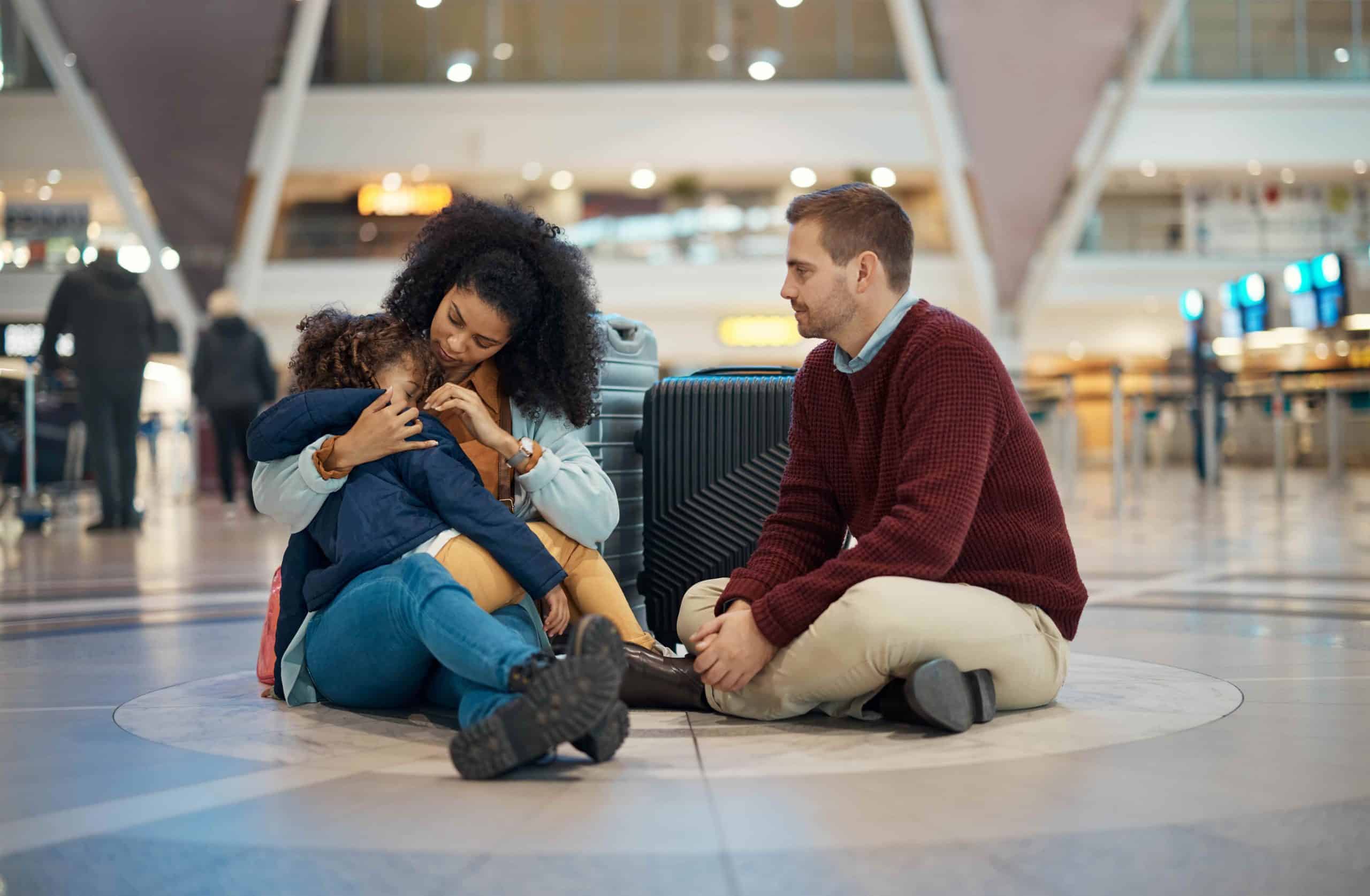
Airports are built for movement, yet delays remain stubbornly common. In 2022, more than 30 percent of European flights failed to arrive on time according to data published by Eurocontrol, the organisation monitoring aviation across the continent. For parents, this statistic is more than a number. It means hours of unexpected waiting with tired children, disrupted holiday plans, and mounting stress. The sudden halt at the gate can transform a family adventure into a test of patience and preparation.
*Advertisement feature*
The emotional strain of waiting with children
Every parent knows the anxiety of keeping young travellers occupied in confined spaces. A delay stretches that challenge to the limit. Small children have little understanding of timetables, and older kids feel frustration build as promised beaches or grandparents seem to move further away.
Psychologists from the University of Amsterdam found in a 2019 study on family travel stress that uncertainty is a leading factor in holiday-related tension. Understanding this dynamic helps families prepare before the storm hits.
Some parents turn to stories or simple games to distract, while others swear by fully charged tablets and preloaded films. Planning entertainment in advance is not indulgence but necessity. The longer the delay, the more tools a parent needs.
In these moments, awareness of practical rights also matters. Many travellers remain unaware that European regulations may entitle them to support, including meals, refreshments, or even financial remedies. Accessing flight delay compensation can soften the frustration by reminding families that airlines bear responsibility when schedules collapse.
Protecting the integrity of your holiday plans
Flight delays have consequences beyond the terminal. Hotel reservations, transfers, and even connecting flights fall into jeopardy as hours tick away. Families travelling on tight schedules often face the disappointment of losing a carefully planned excursion or arriving at accommodation long after dark.
Research from the International Air Transport Association in 2021 noted that missed connections are one of the most expensive ripple effects of delays, with downstream costs for both airlines and passengers.
Preparation begins before boarding. Experienced travellers book flexible transfers where possible, and many select hotels with 24-hour check-in to avoid arriving to closed doors. Copies of itineraries and direct contact numbers for providers make it easier to adapt quickly when schedules change.
Communicating early with service providers frequently secures goodwill or alternative arrangements at no extra charge. Parents who view the holiday as a series of adaptable parts rather than a rigid sequence tend to recover more smoothly from disruptions.
Delays transform terminals into temporary homes. Families that arrive equipped manage far better than those caught off guard. A small emergency kit can make hours more comfortable: spare clothes for children, familiar snacks, water bottles, wet wipes, and simple medicines like paracetamol for headaches.
These modest additions relieve stress and reduce reliance on overpriced shops inside the airport.
Entertainment remains another pillar of preparation. Picture books, puzzles, colouring pads, or digital games help maintain a sense of routine.
A study by the University of Vienna in 2020 on family routines in unfamiliar environments highlighted that predictability reassures children, lowering behavioural problems. Parents who keep small surprises in reserve, like a new toy or an unseen film, discover these items become powerful morale boosters when patience wears thin.
Disclosure: this post is advertorial written with Flightright.







:max_bytes(150000):strip_icc()/TAL-airline-flight-attendant-FAFLIGHTIPS0922-a1bd59d9d13a4260a4ffe0c1b3c21745.jpg "9 Flight Attendant Flying Tips for a Better Trip")