What hotels get wrong about branding (and how to fix it)

Most hotels start a rebrand with a new logo, some new color palette, photos and a website. It’s visible, tangible and exciting. But it’s also the wrong place to start.
That’s the view of Vicky Irwin, Creative Director at Mews, who recently joined Matt Talks Hospitality podcast to discuss Mews’ own rebrand, along with how hospitality businesses should approach their branding. With six years shaping how Mews looks, sounds and feels, she has a clear perspective on where brand work goes wrong, and what it takes to get it right.
Brand is not a marketing exercise
The temptation in any rebrand is to move quickly to the visual work, because that is the part that feels the most concrete. Irwin argues that this is the wrong instinct. The visual work is only as good as the thinking that precedes it, and the thinking is about one thing: what feeling does the brand need to create, and across which touchpoints does it need to create it?
For hotels, that means the product, the service, the website, the first ten minutes after check-in, how the staff interacts with guests. The visuals are just the entry point.
This is where many hospitality brands fall short. They invest in a beautiful visual identity, slap it on the property, and call it done. Then a guest walks through the door and the experience tells a different story.
The hardest part: getting clear on what you stand for
Before any design work begins, there’s a more difficult task – defining the emotional territory of the brand. What feeling does the property create? What’s the ownable space that no competitor can claim?
For Mews, that process took months. The team debated, went in circles, threw out options, and eventually landed on a brand idea that felt instinctively right.
For an independent hotelier with a €5,000 budget and a five-room property, the process is no different in principle. Define what makes you different: not functionally better, but what’s your ownable area? How does the guest feel when they come to you? Getting that clarity first is what allows every subsequent decision (the website, the booking confirmation, the music in the lobby) to pull in the same direction. Without it, everything is ornamental.
Something else to keep in mind. Founders often carry their vision in their heads. They can articulate it in conversation, but if it never makes it onto paper, it dilutes. It doesn’t survive a handover, a new hire, or an agency brief. When people understand the principles and the ethos, the integrity holds. If you don’t communicate that anywhere, there’s nothing to follow.
Designing by committee doesn’t work
Once the strategic foundation is in place, the visual phase begins. One of the biggest traps in this process is having too many opinions. Input is valuable in the discovery phase, when you’re trying to understand the business. But when it comes to visual decisions, a smaller group with clear authority moves faster and produces better work.
The same principle applies to hotel brands. Gather input early, make decisions with a tight group and hold the line.
Brands that stand out do something different
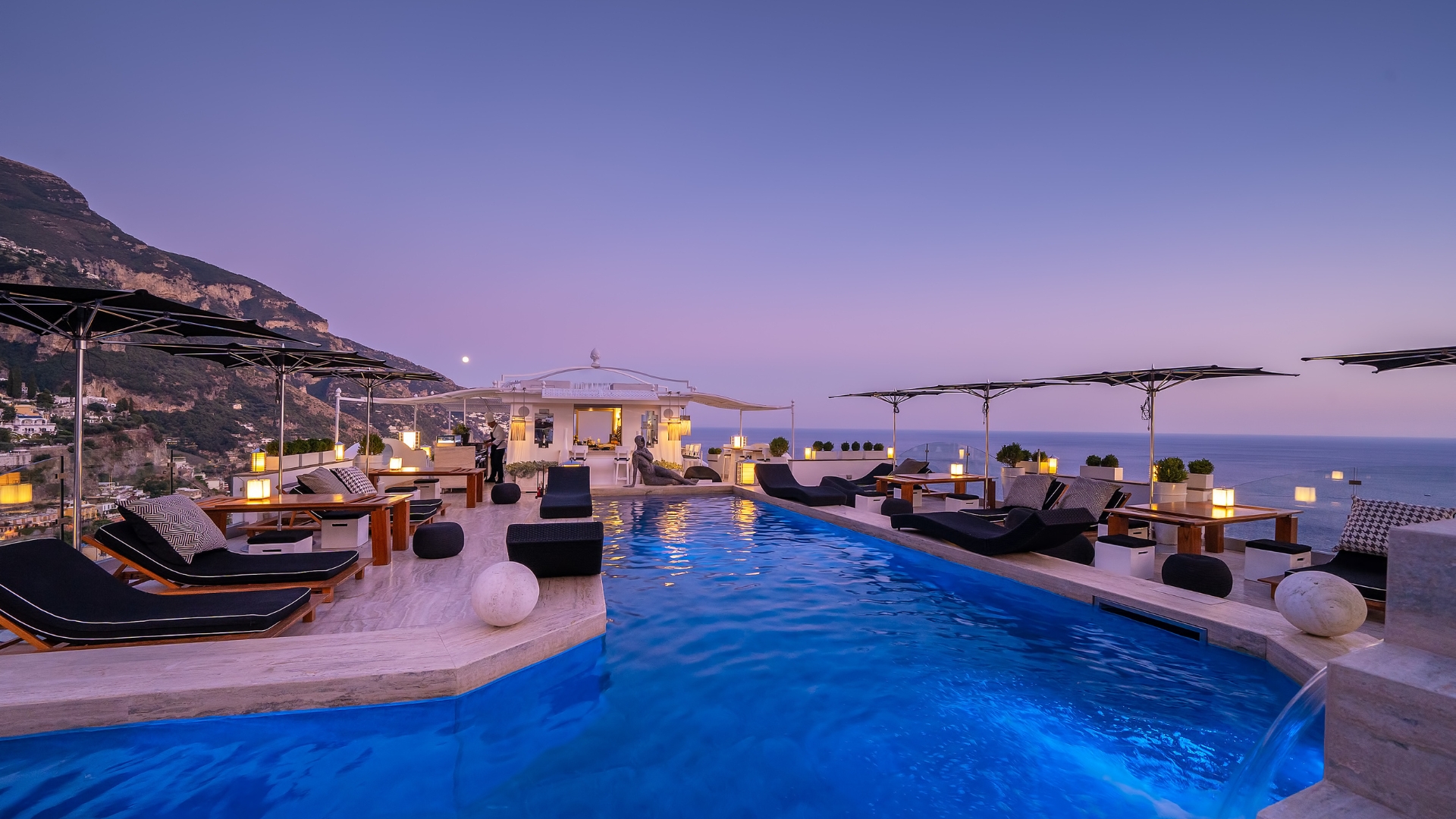
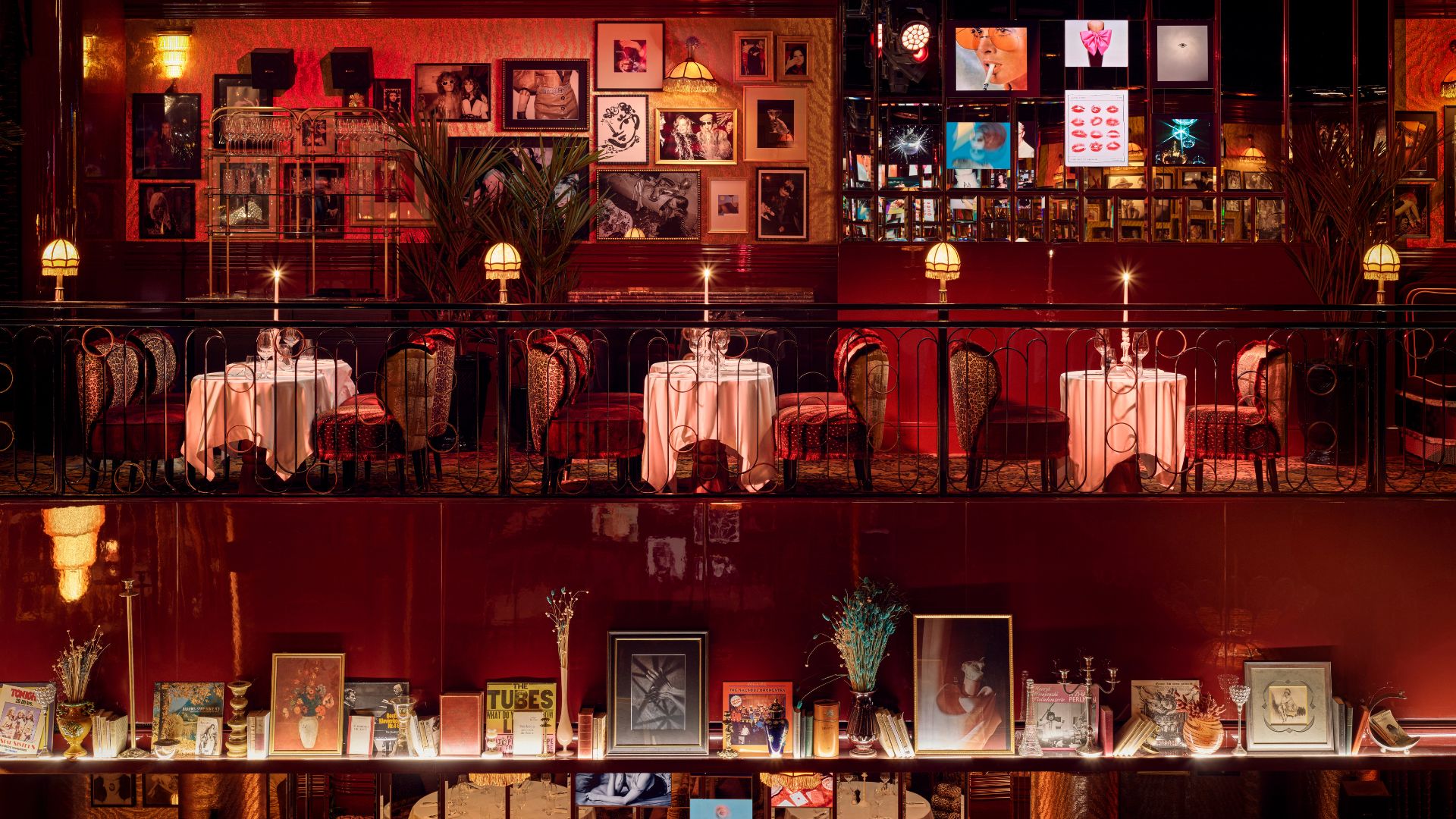
The best hospitality brands have something in common: they’ve built a nice property but also a world. The staff, the music, the interior, the website, the food – it all comes from the same place.
Mews tries to do the same in its own context. At ITB Berlin, the biggest travel trade show in the world, most stands are a sea of navy blue and exposed brick vinyl, while Mews builds a world. One year, a full radio station, another – a training club. Each time it’s a new concept but it’s still grounded in Mews brand identity fundamentals. Which brings us to the next point.
Run wild campaigns but keep brand consistent
One nuance worth understanding: the core brand and the campaigns that run on top of it are not the same thing.
A hotel’s website should always communicate what the property stands for. But a summer promotion can look and feel different (more playful, more bold) without losing its connection to the brand. You can be disruptive in a positive way without compromising the integrity of your core principles. The key is that somewhere in the campaign, the brand’s essence is still recognizable. Not necessarily the colors or the photography style, but the values, the tone, the humor, whatever filters make it unmistakably yours.
For brands with a strong enough foundation, that creative range is an asset. For brands that skipped the strategic work, it becomes a liability.
The question every hotel should answer first
Resist the pull toward immediate design decisions and spend time on the harder question first. What does the property want guests to feel? What is the ownable territory that makes it different? And is that answer written down somewhere that everyone who works there can read, understand and act on?
Everything else follows from that.
Watch the full conversation between Vicky and Matt: