My Safari Packing List – Wild Junket


Last Updated on March 27, 2026
If this is your first time on safari, packing can be a daunting task. Here’s a detailed safari packing list.
I’m a firm believer in ‘less is more’. The less you pack, the more convenient it will be to move around and the happier you’ll be. We almost always travel with carry-on only (even when traveling for 2-3 months). It not only saves us time but also the pain of lugging around suitcases and the risk of losing our stuff.
Since moving to Cape Town last year, we’ve been doing lots of road trips around South Africa and going on safari during the weekends. My daughter has become a wildlife enthusiast and we have turned into safari experts of sorts. Besides South Africa, we’ve also been on safari in Tanzania, Kenya, Uganda, Zimbabwe, Namibia, and Botswana.
We’ve packed for safari in different climates and always managed to travel carry-on only. To help you pack for your safari, I’ve put together an African safari packing list and sharing our favorite gear and gadgets with you.

What to Pack for Safari
Where Are You Going on Safari?
While your packing list will not vary too much on your travel dates, it’s important to know which season you’re visiting get a better idea of the weather there.
For southern Africa (South Africa, Namibia, Botswana, Swaziland), June to September is the best time to visit. During this period, there is less vegetation and animals are more concentrated around rivers and waterholes, making it easier to spot them. There are also fewer mosquitos.
However, it can get cold in the evenings during this time of the year. That means you’ll need to bring a down jacket or two layers for game drives at sunrise and sunset. In general, winter is very mild in Southern Africa; temperatures in the lowlands range from 12 to 25 degrees Celsius, and in the mountains from 3 to 10 degrees Celsius.
It is the same for East Africa: the best wildlife viewing months are from June to October. The wildebeest migration usually reaches the Masai Mara in July and remain until October when they move back to the Serengeti in Tanzania. However, if you’re visiting during rainy season, it can be very hot, humid and rainy especially in the highlands.

What is Your Baggage Allowance?
This can be tricky as baggage allowance can be very limited if you are taking a bush flight. We did not take any charter flight on this trip, but we have flown on charter flights with very strict luggage requirements. For instance, SkySafari only allows 15 kilograms or 33 pounds per person including camera equipment.
Some charter flights might not even allow you to use a hard suitcase. That means you’ll need to use a soft trolley bag, backpack or duffel bag. We traveled with just one carry-on backpack each and I had everything I needed for the trip. I also always carry an extra lightweight foldable duffel bag, in case I buy extra stuff or need more space.
It’s useful to know your baggage allowance and requirements before leaving for the trip, so make sure to double check that with your safari operator or airline. My advice, is to pack light and you won’t have any issues!

What to Expect on an African Safari
A typical day on an African safari usually starts early in the morning, depending on the season you’re traveling and which part of Africa you’re traveling.
In general, you’ll go on a morning game drive at 5 or 6 am and return around 10 or 11am for a heavy breakfast. The rest of the day is leisure, where you get to enjoy the safari lodge (swim, read or just watch animals from the comfort of your bed). In the late afternoon, you’ll go on another game drive at around 4 or 5pm, and return after sunset around 7pm.
Game drives always take place in the early morning and evenings as those are the best times to spot wildlife. Animals are most active at those hours, either grazing, hunting for food, or drinking at the water hole.
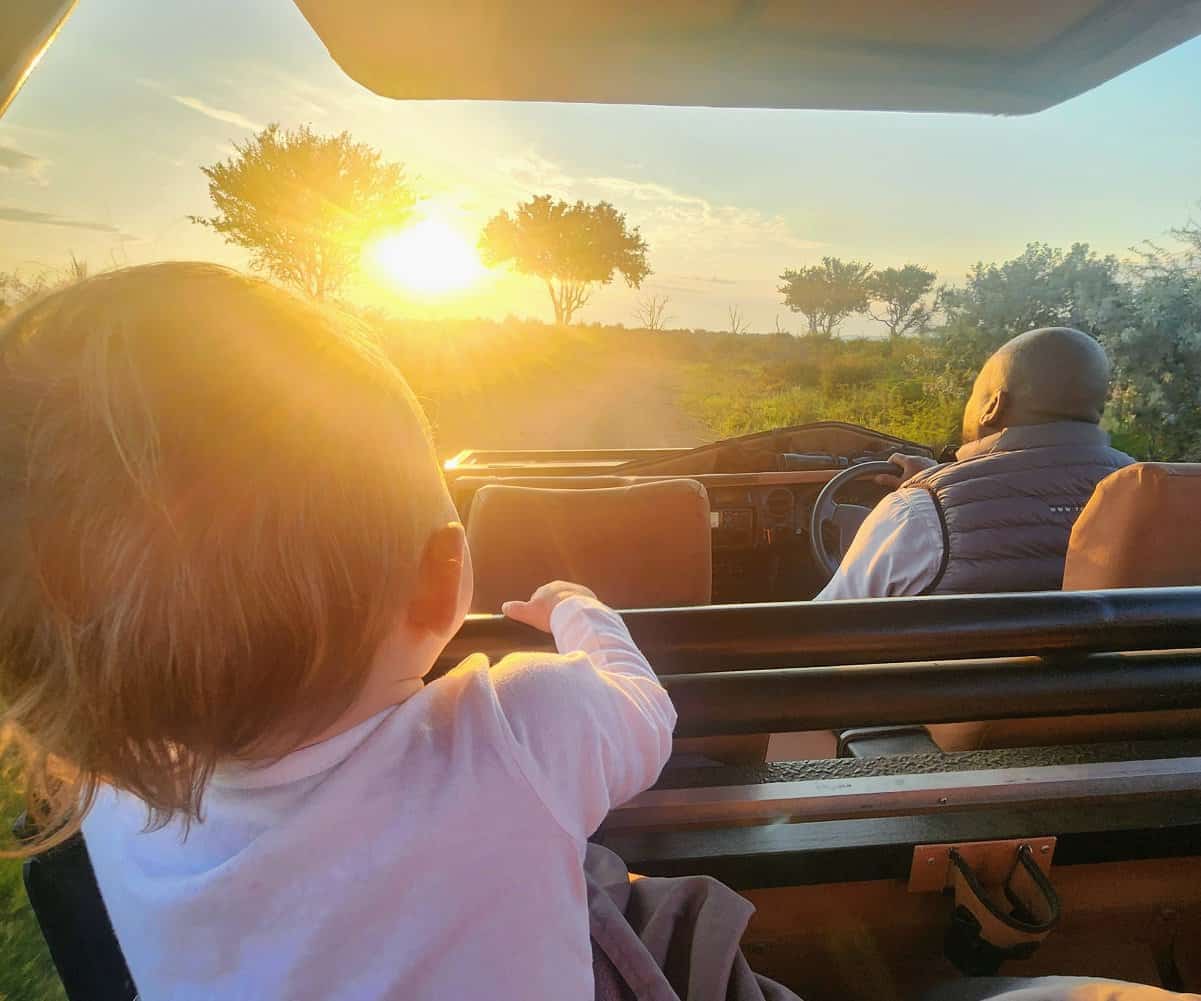
Note: It is typically quite cold on the early morning game drives, especially in winter. Wear all the layers you have, and then you can remove them as the morning sun gets warmer.

What to Pack for Safari
Here are the essential items that you will definitely need for an African safari, regardless of the time of the year you’re traveling. Scroll to the bottom to get a packing checklist.
Vaccination Card
Make sure to check what vaccinations are mandatory and recommended for your destination a few months before the trip. Check the CDC website and consult your doctor. Some shots come in a series, so you will need a few months before departure to get them done.
The yellow fever vaccination is mandatory to travel certain parts of Africa, such as Tanzania. You will be asked to show your yellow fever health card upon arrival at the airport. Other suggested vaccinations for East Africa include meningitis, typhoid, hepatitis A and B, and cholera.
The reason why we chose southern Africa for our daughter’s first African safari was because the region is free of malaria and yellow fever.

First Aid Kit
We pack light, but we always make sure to have a well-stocked first aid kit (essential when traveling with kids). Keep in mind that you are in the African bush and the nearest town or village might be hours away. Even if you’re near a town, they might not have the kind of medication you need. If you don’t already have one, you can get a world travel kit online that’s all packed and ready to go.
Be sure to pack a first aid kit with basic medications like paracetamol, antihistamine for reactions to insect bites, diarrhoea medication for food poisoning, and cough drops. For kids, we also always make sure to have neosporin, band-aid, and a small thermometer.
Most of East Africa are high-risk malaria areas, so be sure to get malaria medication at home before your trip. Malarone is the most popular medication, but side-effects include hallucination. You’ll need to start taking it a few days before your trip and continue for a few weeks after the trip. It’s not advisable for kids under five to take malaria medication.

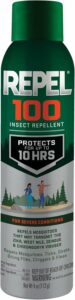
Insect Repellent with Deet
This is essential especially if you’re traveling in high-risk malaria areas. It’s always better to prevent bites, even if you’re taking anti-malaria pills.
We brought two insect repellents containing DEET: one for adults, another for kids. Because there weren’t so many mosquitoes in southern Africa during winter, we didn’t end up using them much — only in the lower veld area in Swaziland and the St Lucia estuary in South Africa.
My favorite brand is Repel; I’ve used them many times and they’ve worked really well. They’ve got different options for kids. DEET has been tested and approved as safe for kids. Choose a repellent with no more than 10% to 30% concentration of DEET for kids. Generally, repellent with DEET should not be applied more than once a day, and is not recommended for babies younger than 2 months old.
Electronics: Camera and Lenses
Trust me, you’ll want to have an SLR camera and long-focus lens (at least 200mm) when on an African safari — whether you have any knowledge on photography or not. You’ll naturally want to capture everything on a wildlife safari, and a normal point-and-shoot or phone camera won’t be enough to take sharp and clear images of the animals up close.
We brought our Canon EOS 60D camera, which is an SLR that we’ve been using for many years now. I’ve used it on all seven continents and it’s been the most trusty gear I’ve traveled with. We also brought two lenses: a 70-300mm auto-focus Tamron (essential for close-up shots of wildlife) and a Sigma 8-16mm ultra wide-angle lens. I regretted not carrying my usual 80-200mm for portrait and landscape shots.
If you’ve been wanting to upgrade to an SLR, now would be a good time. Plus SLRs are no longer as expensive as they used to. For those who are not ready for the transition, consider getting a micro system camera (hybrid camera), which works like an SLR but is small, lightweight and has automatic features. A model that everyone raves about is Sony Alpha a7II mirrorless camera, that’s very affordable for all the quality features it has.
Don’t forget to bring extra memory cards as you definitely don’t want to run out of space in the middle of a lion hunt! I unfortunately ran out of memory when we were just a few feet away from a polar bear in the Svalbard. For more on my electronics and camera gear, check out this list of tech gear I always travel with.

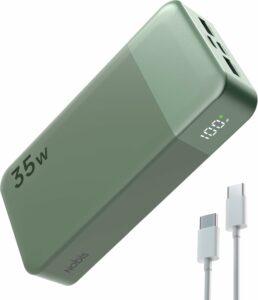
Portable Power Bank
If you’re staying in safari tents or accommodation with limited electricity, then you might not be able to charge your devices every night. I always travel with my portable power bank, as it makes charging my iPhone and other electronics so much easier and more convenient. I’ve used it for four years now and it still hasn’t failed me.
Among the three of us, we have two iPhones, a Kindle, an iPad, and a camera that need charging. Having a portable power bank that has multiple USB ports is really useful to charge several devices at one go.
Binoculars
There’s really no need to pack anything special for an African safari with kids — except for one thing: binoculars. These lifesavers will keep your kids interested and engaged during the rides. Regardless of how old your kids are, a pair of binoculars allows them to be engaged and join in the fun of spotting wildlife.
I have a pair of Olympus Trooper 8×40 DPS1 binoculars, which was a birthday present from Alberto. It’s high quality, not too heavy, and comfortable to use — even Kaleya can use it to spot animals. But there’s no need to spend hundreds on a top-end binoculars (unless you go wildlife watching every year); there are plenty of affordable binoculars you can buy online.
You can also buy a kids’ binoculars for your child; they make great travel gifts for kids. Kaleya received this pair hers as a gift, and she’s used them on our African safari as well as trips to Costa Rica and Panama. At home, she also likes using them to pretend play. This pair of binoculars is durable and can withstand drops and falls.

Logbooks and Wildlife Guide for Kids
Game drives can run up to three hours long, and can sometimes involve a lot of driving and no signs of animals. We brought an African wildlife guide book, so we could refer to it and look up what kind of animals we saw. Another safari guide book worth checking out is Fodor’s Complete Guide to African Safari, which cover many countries in one book.
If you have kids, I recommend bringing a logbook so they can keep a record of animals they saw. Kids who can read would love this safari kids’ book, which is really fun and interesting to engage them during game drives. Kaleya really enjoys this series of sticker activity books: Let’s Explore. Lonely Planet and National Geographic Kids have the best travel books for tiny explorers.
Buy an Africa Wildlife Guidebook

Clothing & Backpacks: Carry-on Backpacks
I wouldn’t recommend traveling Africa with trolley bags or hard suitcases. As mentioned above, some charter flights have strict requirements and baggage allowance. Besides, the rough terrain of the African savanna make pulling a trolley a pain.
We traveled with a carry-on backpack each, while our daughter had her Trunki trolley (a ride-on suitcase for kids that can only be slung over the shoulders). I also carried a small Vaude Albert messenger bag for my SLR camera, lenses, passport and wallet. It’s my daily bag that I carry everywhere with me; it is comfortable, light and has a surprisingly big capacity.
Alberto tried out the BAGSMART Travel Backpack for the first time on the trip and he loved it. His favorite feature is the padded laptop compartment and multiple pockets, which hold everything he needs in-flight: headphones, passport, pens, and chargers. The pack also has a breathable mesh back panel and thickly padded shoulder straps, making it comfortable to carry around the airport or even take on a short hike.
I traveled with the LOVEVOOK 40L backpack and found it much lighter to carry. It’s a thoughtfully designed travel backpack with a 40 L capacity that comfortably fits 3–5 days’ clothing, shoes, a laptop, and other essentials. I love that it has lots of zipped compartments, a dedicated laptop pocket, separate wet/dry and shoe compartments, and even comes with removable packing cubes, making it easy to stay organized on the go.

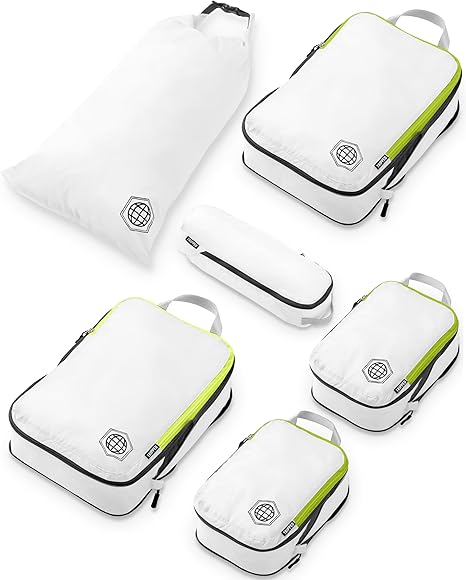
Packing Cubes
I cannot emphasise how important and handy packing cubes are for any type of trip. They’re one of the reasons why we manage to pack so efficiently. They also help us keep our gear organised (separate clean and dirty clothing) and make full use of the limited space we have in our carry-on backpacks.
My favorite packing cubes are the Eagle Creek Packing Cubes. I’ve tried other standard packing cubes, but these ones from Eagle Creek are much more durable as they’re made of a stretchable and ultra lightweight material called Silnylon. I can pack a lot more gear into these cubes than the hard ones.
Breathable, Earth-Toned Clothing
Yes. There’s a reason why everyone wears earth tone clothing on safari. They help you to blend in to the natural environment. Wearing neon pink leggings or a bright yellow shirt might scare off the animals, especially if you’re on a walking safari.
It’s also good to look for clothing made of breathable, lightweight material, as it can get pretty hot even during winter in Africa. We traveled southern Africa during their winter time; while it was chilly in the mornings and evenings, it was warm and sunny most of the time and our breathable clothing were perfect for that kind of weather.
Another important reason to wear earth-toned clothing is the tsetse fly. These lethal insects can be found in some parts of East Africa, are drawn to blue and black clothing. They can often bite through your clothes, and can be really painful. The tsetse fly has been linked with a disease called sleeping sickness.
Here’s an example of breathable, earth-toned shirts that are great for an African safari.

Long (Zip-Off) Pants
Regardless of which time of the year you’re traveling, you’ll need to pack long pants as they’ll protect your skin from mosquito bites and sun exposure. I recommend bringing zip-off pants i.e. pants that can be converted into shorts when the weather gets too warm. I wore long pants every morning, but would zip them off to shorts around noon when the temperature started rising.
It can be uncomfortable wearing long sleeves in hot weather, but they are useful to prevent scrapes and bites. I recommend opting for light and breathable long-sleeved shirts that are designed for trekking. If you’re doing walking safari (especially when gorilla trekking in Uganda/Rwanda), then definitely add that to your list.
We both like Columbia’s convertible pants , which have the same style/design for both men and women. They are lightweight, comfortable, and easy to pack. Kaleya practically lived in her convertible pants throughout the whole trip.

Waterproof Jacket
Again, no matter when you’re traveling, you’ll need a light waterproof jacket for chilly mornings/evenings or rain. We were traveling in winter time, so a good waterproof jacket definitely was essential. I had my usual soft shell waterproof jacket that’s worked really well in mild winter conditions. Alberto packed his ultralight stretch down jacket, which was awesome for this weather. Plus it’s super lightweight and breathable, so it was fine even in the warm afternoons.
Keep in mind that most safari jeeps are completely open-roofed (i.e. no windows or cover), so it can get really chilly during morning and evening game drives. Plus you’ll be guaranteed to get wet when it rains, so make sure your jacket is waterproof.

Cash
You won’t find credit card machines in the African bush, so make sure you get enough cash in the city before you head into the savanna. While some lodges accept credit cards, you’ll likely need some cash when visiting villages or buying souvenirs. You’ll also need cash to tip your guides and porters.
Safari Clothes for Adults
- One light jacket
- One fleece
- Three pairs safari pants (one of them zip-off)
- One pair shorts
- One long-sleeve shirts (light, breathable)
- Four short-sleeve shirts
- One dress (for nice dinners)
- A set of pyjamas
- A pair of hiking boots
- A pair of sandals (or Keens)
- Underwear
- Sports bra (for women)
- Three pairs of socks
- Sun hat
- Swimsuit
- Sunglasses
Safari Clothes for Kids
- One down jacket (for cold winter nights)
- One light jacket
- Two fleece
- Three pairs zip-off safari pants
- One pair shorts
- Four short-sleeve shirts (quick dry)
- Two sets of pyjamas
- A pair of hiking boots (or walking shoes)
- A pair of sandals
- Underwear
- Three pairs of socks
- Sun hat
- Swimsuit
- Sunglasses
First-Aid Kit:
- Vaccination certificate (especially yellow fever)
- Paracetamol for both adults and kids
- Anti-histamine for allergic reactions
- Anti-diarrhoea pills for food poisoning
- Anti-malaria pills (if you’re traveling in malaria risk areas)
- Cough drops
- Band-Aid
- Neosporin
- Kids’ daily vitamins
Electronics:
- Camera
- Lenses
- Portable power bank (to charge devices in lodges without electricity)
- International plug converter
- Chargers and charging cables
- iPad, Kindle or books for long car rides
- Headphones
Other Essentials:
- Standard toiletries
- Toothbrush/toothpaste
- Sunscreen
- Insect repellant with DEET
- Snacks for kids (yogurt and puree pouches)
- Wet wipes
- Head torch or flashlight
- Binoculars
- Visas
- Passports
- Cash
Packing for Your African Safari
I hope you’ve found this article on what to pack for safari useful! Feel free to print out my safari packing list above to tick off the items as you pack. Let me know if you have any questions in the comments field below.
Leave a comment below if you have any questions!
Disclaimer: This post contains affiliate links to companies I use and trust. I get a small commission when you click on my links, at NO EXTRA COST TO YOU.
Inspired? Pin it!