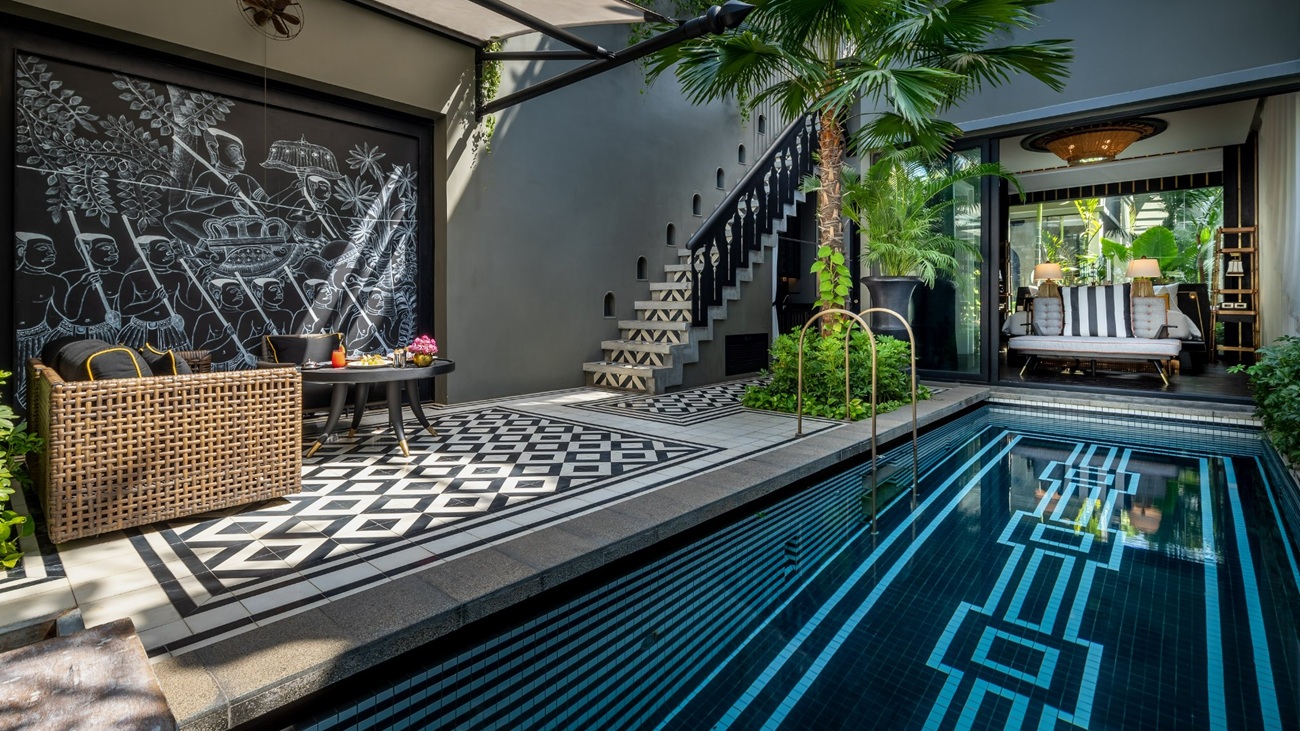
Built to Breathe: Biophilic Hospitality Connects Nature with Guests

Beyond the aesthetic appeal of a lobby plant, how can hotels truly connect guests with nature? The answer may lie in biophilic design, an architectural and interior design approach that strengthens people’s connection with nature through the built environment. In hospitality, this means integrating natural light, vegetation, water, fresh air, biodiversity, and sensory experiences that help guests feel calmer, healthier, and more restored.
Around the world, leading hotels are translating these principles into memorable guest experiences. Here are three standout examples:
1.PARKROYAL COLLECTION Pickering
Designed by WOHA, this iconic “hotel-in-a-garden” proves that high-density urban spots can still be lush ecosystems. The building features roughly 15,000 square meters of greenery, more than double its actual land site, ensuring every single guest room enjoys a refreshing garden view.
Key Biophilic Strategies
-
Urban Canyons: Multi-level sky gardens and contoured, landscaped terraces.
-
Living Facade: Extensive tropical flora integrated into the building’s exterior.
-
Passive Engineering: Natural ventilation in circulation spaces and solar-powered, rainwater-fed irrigation.
2. Oasia Hotel Downtown
Oasia Hotel Downtown is a radical rethink of the traditional glass-and-steel tower. Wrapped in a striking red aluminum mesh blanketed by 21 species of climbing plants, nearly 40% of the building’s volume consists of open-air communal gardens. Remarkably, the property functions as a vertical ecosystem, attracting birds and insects just like a nearby city park.
Key Biophilic Strategies
-
Living Skin: A vibrant, plant-covered facade that naturally cools the building.
-
Macro-Ventilation: Four open-air sky gardens that drastically reduce the need for energy-heavy air conditioning.
-
Biodiversity Hub: Landscaping specifically designed to support local urban wildlife.
3. Six Senses Ibiza
While Singapore’s examples master urban greening, Six Senses Ibiza focuses on horizontal immersion. Embedded directly into Ibiza’s rugged northern coastline, this resort blends architecture with the natural terrain. The guest experience is built around outdoor wellness, local materials, and deep environmental connection.
Key Biophilic Strategies
-
Terrain Integration: Architecture that flows naturally with the coastal topography to maximize sea views.
-
Organic Materials: Heavy reliance on local, sustainable building elements that reflect the regional texture.
-
Holistic Programming: Nature-centered guest experiences, ranging from outdoor mindfulness retreats to hyper-local, farm-to-table dining.
As the hospitality industry moves deeper into the wellness and experience economies, biophilic design is evolving from an aesthetic trend into a core business strategy. Guests increasingly seek environments that support restoration, authenticity, and a connection to place. For hotel brands, the opportunity is no longer simply to add greenery, but to weave nature into architecture, operations, wellness programming, and brand storytelling. The most successful properties of the future may not be those that bring guests away from nature, but those that bring them closer to it.
ABOUT GCSTIMES
Since 2011, GCSTIMES has pioneered sustainable development, evolving from smart card R&D to sustainable material innovation. Today, we stand as a global platform for sustainable solutions. Sustainability is our foundation. Through technological innovation and creative solutions, GCSTIMES delivers diverse services and tangible products, positioning ourselves as both manufacturers and innovators.
Brand Portfolio: GCS, AUROkeys, Xenyra, and Glint Spot, offering sustainable smart cards, creative (custom-shaped) key cards sustainable supplies, cultural gifts, and bespoke design and related services.